

Presentation
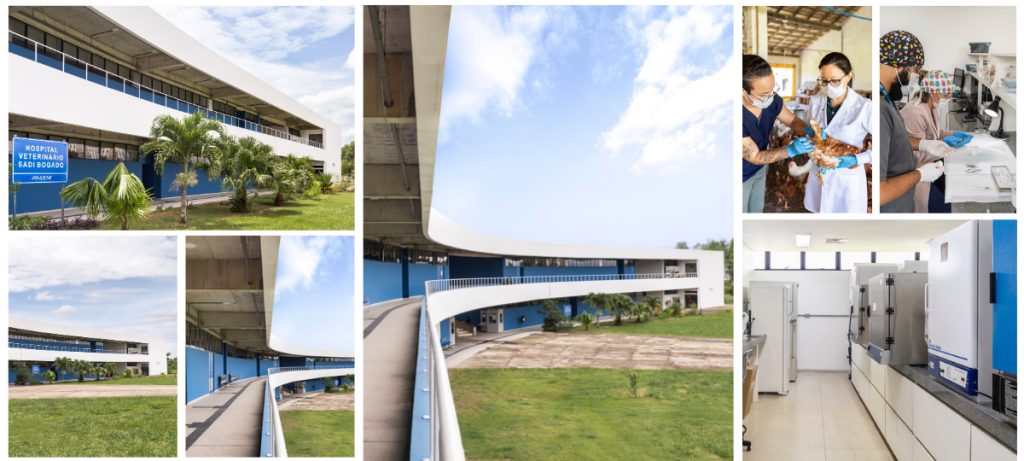
Welcome to the Graduate Program in Veterinary Medicine (PGMV) at the Universidade Estadual do Norte Fluminense Darcy Ribeiro – UENF!
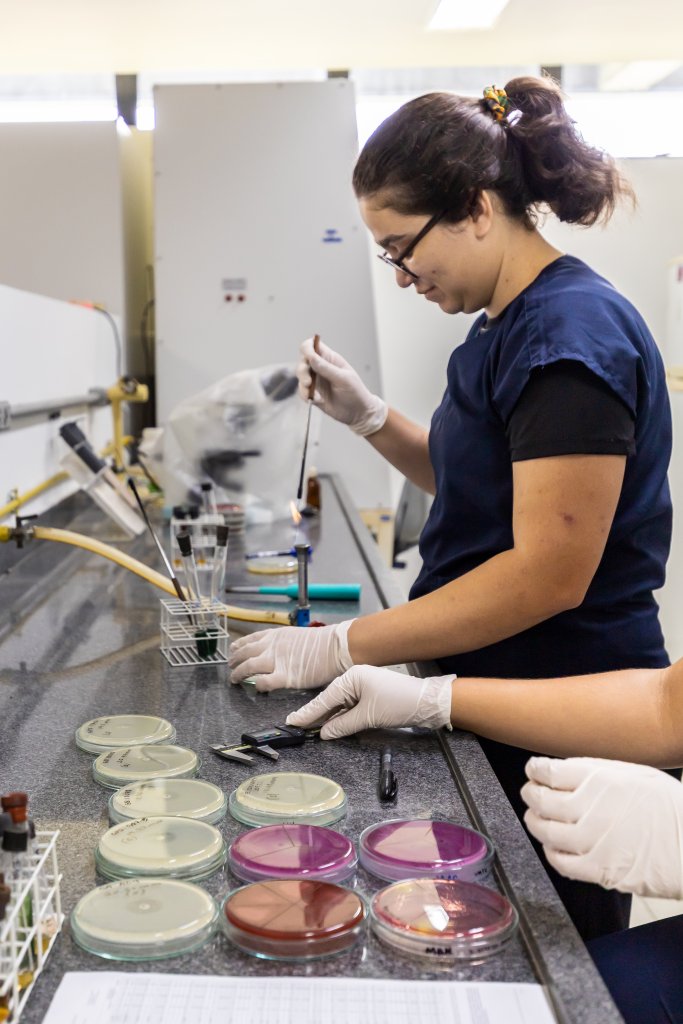
The PGMV (Graduate Program in Veterinary Medicine) was conceived by faculty members from the Laboratory of Animal Health (LSA), the Laboratory of Veterinary Clinical Practice and Surgery (LCCA), the Laboratory of Animal Reproduction and Genetic Improvement (LRMGA), and the Laboratory of Animal Morphology and Pathology (LMPA). Its purpose is to strengthen research, provide greater relevance and specificity to scientific training, expand the production of knowledge within the field of Veterinary Medicine, and foster development in the North and Northwest regions of Rio de Janeiro state.
The PGMV was officially approved on April 1, 2024, and encompasses the subfields of One Health, Animal Production and Reproduction, and Veterinary Clinical Practice, Anesthesiology, and Surgery. Since its inception, the Program has carried out research and academic training activities aimed at qualifying professionals to work across various sectors of Veterinary Medicine, including higher education, scientific research, and technological development. These initiatives seek to address challenges related to animal production, animal health, and public health, in alignment with social demands and scientific and technological advancements.
Throughout its development, the Program has consolidated its lines of research and expanded its infrastructure, contributing to the scientific and technological advancement of Veterinary Medicine.
Why choose PGMV


The stricto sensu Graduate Program in Veterinary Medicine (PGMV) is a benchmark in the training of professionals for work in teaching, research, and technological innovation within the field of Veterinary Medicine. It conducts research activities in the areas of animal health, animal production, and animal reproduction, seeking to foster the integration of teaching, research, and outreach.
It offers a Master’s degree program focused on the production of scientific knowledge integrated with regional and national demands, as well as the academic and professional development of its students, contributing decisively to the advancement of Veterinary Medicine—not only in the State of Rio de Janeiro but throughout Brazil.
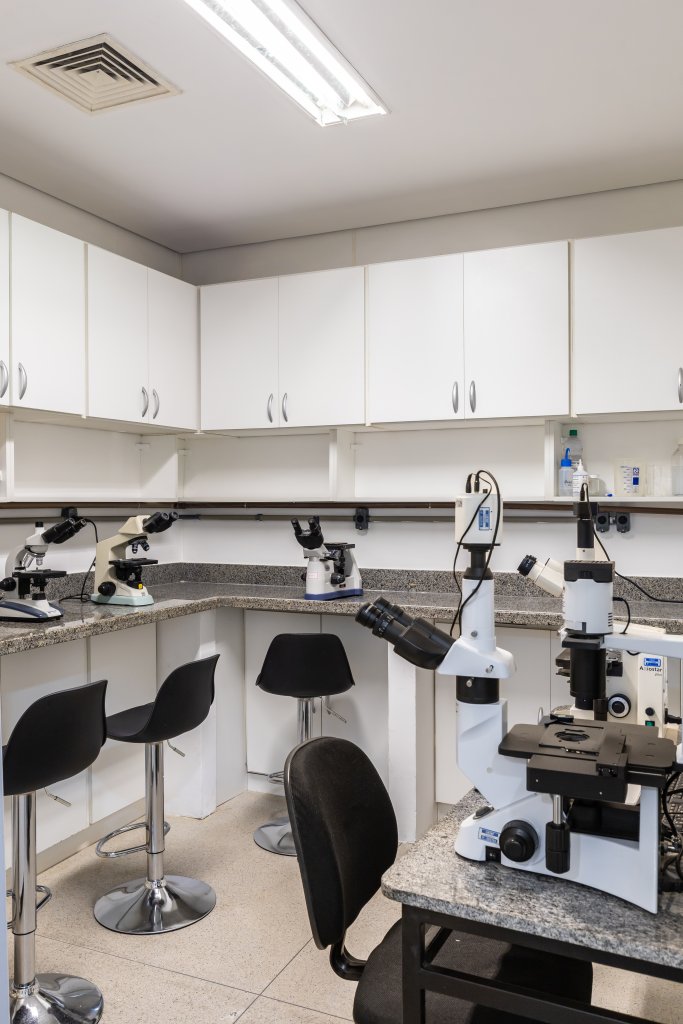
The PGMV is part of UENF’s Center for Agricultural Sciences and Technologies (CCTA), an environment that brings together laboratory infrastructure and research teams dedicated to scientific development in the fields of agricultural and veterinary sciences.


Our Mission
The primary mission of the Graduate Program in Veterinary Medicine (PGMV) is to train highly qualified professionals—at the master’s level—for research, higher education, and technical-scientific practice, while fostering the integration of research, teaching, and outreach within the field of Veterinary Medicine at UENF. The Program is guided by the production and dissemination of knowledge in the veterinary sciences, contributing to the intellectual and social development of the region through innovative, multidisciplinary expertise, and addressing challenges related to animal health, public health, and the environment.
Vision
To be recognized for academic consistency, scientific contribution to the field of Veterinary Medicine, the education of professionals with a critical, ethical, and comprehensive perspective, and the promotion of animal and human quality of life in integration with the environment. The Program seeks to encourage scientific and technological production, consolidate its presence nationwide, and expand its participation in international initiatives through integration into research and cooperation networks.
Values
The activities of the PGMV are guided by the institutional principles of UENF, with an emphasis on:
- Academic quality in education and scientific production;
- Integration of teaching, research, and outreach;
- Commitment to public education;
- Didactic and scientific autonomy;
- Respect for a diversity of theoretical and methodological perspectives;
- Social responsibility and contribution to regional development;
- Valuing human and professional development;
- Academic management based on institutional criteria and planning.
These benchmarks underpin the organization and functioning of the Program, guiding its academic activities and its engagement with society.
Objectives
General Objective
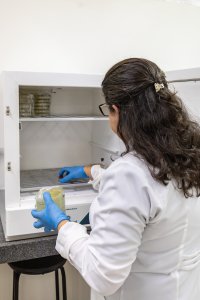
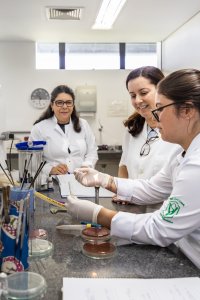
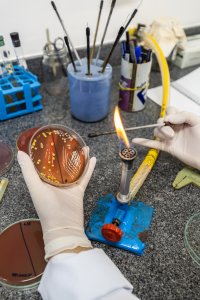
The Graduate Program in Veterinary Medicine (PGMV) at UENF aims to train professionals in the Agricultural Sciences—including Veterinary Medicine—as well as graduates from related fields, for careers in both academia and the job market. The program enhances competencies in teaching, research, and the development of products and processes, grounded in a solid scientific foundation across basic and applied sciences. It seeks to advance human endeavors by expanding knowledge and addressing needs related to animal health and production, in alignment with the economic interests of society.
Specific Objectives
- To qualify professionals from diverse academic backgrounds to meet local demands;
- To develop competencies for working within the Brazilian agribusiness sector, fostering the advancement of products and processes;
- To provide support for regional rural production by promoting interaction between rural producers and students in the program;
- To establish and expand international connections through exchanges and institutional programs;
- To strengthen collaboration among research groups in Brazil, facilitating the exchange of students and faculty;
- To foster interdisciplinarity, broadening the scope of existing projects and helping to attract qualified professionals;
- To address the regional demand for education and research development in the field of “One Health,” prioritizing the improvement of human and animal health and environmental balance.
Core Faculty:
One of the key strengths of the PGMV is its highly qualified faculty, composed of professors with doctoral degrees who are recognized both nationally and internationally. They are dedicated not only to teaching at the undergraduate and graduate levels but also to research and university outreach. These faculty members develop research projects, supervise dissertations and theses, and engage in academic activities aimed at the scientific training of students. The integration across various fields of knowledge ensures a comprehensive and cohesive education that bridges theory, practice, and social commitment.
Oportunities and Impact
The Graduate Program in Veterinary Medicine (PGMV) has a direct impact on society, as it trains professionals who:
They contribute to innovation in agribusiness and animal production;
They conduct applied research that addresses the needs of the market and public policy;
They promote integration between animal health, human health, and the environment, aligning with the One Health concept;
They play a decisive role in the training of new generations of researchers and faculty members.
Academic Structure and Research Line
The Program is organized into a main area of concentration – Veterinary Medicine – which unfolds into two strategic research lines:
- Animal Production and Reproduction– focused on improving the productivity and efficiency of breeding systems, with an emphasis on innovation and sustainability.
- Animal Health – dedicated to the prevention, diagnosis, and control of diseases, contributing to animal welfare and health, food safety, and the protection of One Health..
These research lines directly address the demands of the productive sector, public health, and research, making the PGMV an essential space for scientific training for regional and national development, preparing professionals to act in an innovative and transformative way. Upon entering the PGMV, students gain access to a network of learning opportunities and enriching academic experiences.
🎓 Be part of PGMV/UENF!
Transform your career with an excellent master’s degree in Veterinary Medicine.

Prof. Francisco Carlos Rodrigues de Oliveira
Coordenador do PGMV
Get in touch: Tel.: (22) 2739-7359
E-mail: pgmv@uenf.br
Local: UENF Hospital Veterinário, Sala 083 Térreo
TNS – Academic Support: Clara Chaves
Customer service: Monday to Friday, from 8:00 AM to 12:00 PM and from 2:00 PM to 6:00 PM.