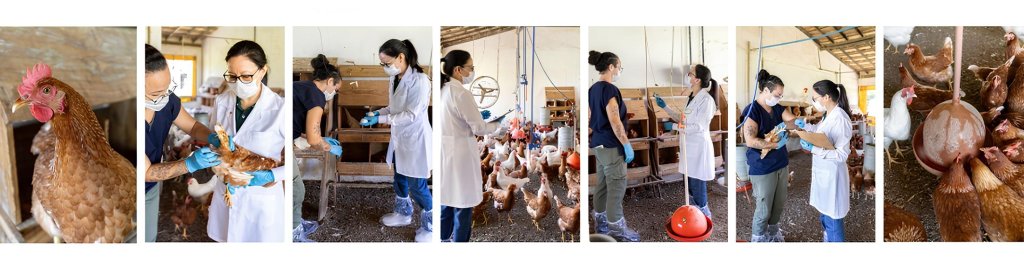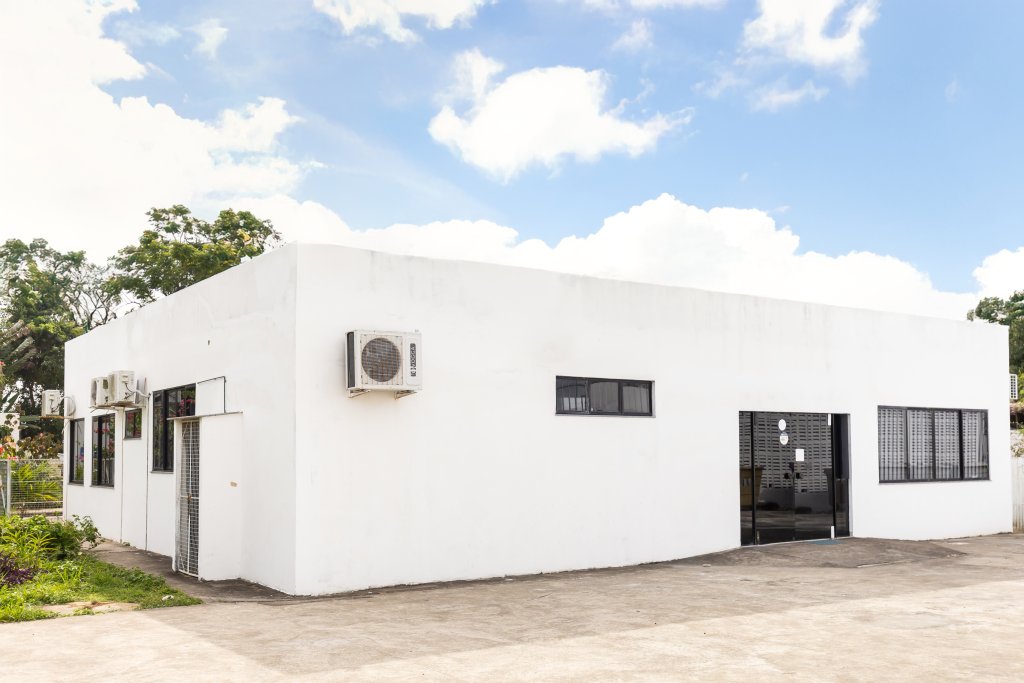
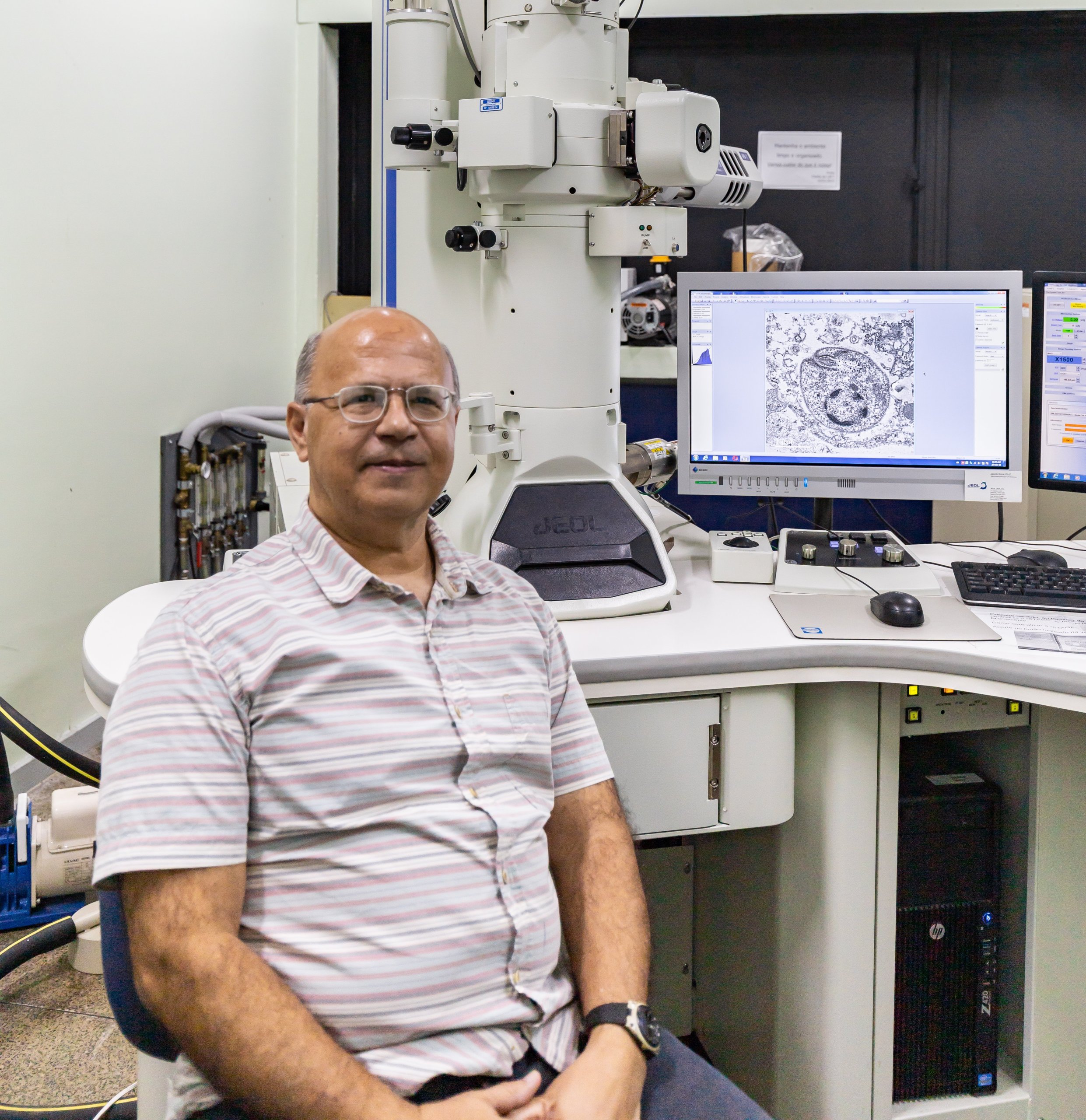
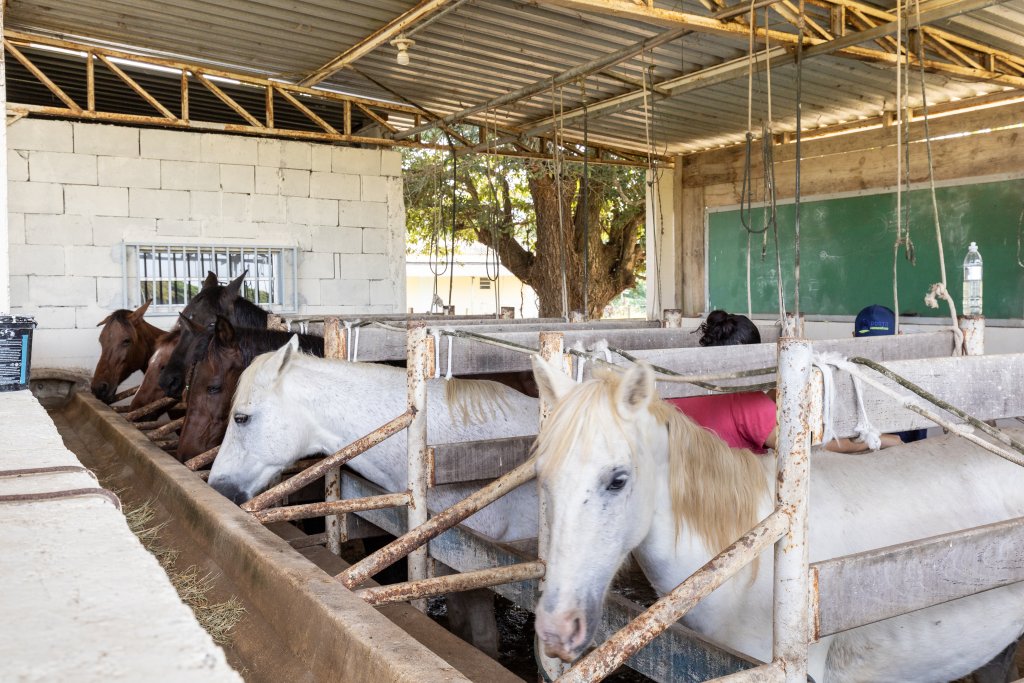

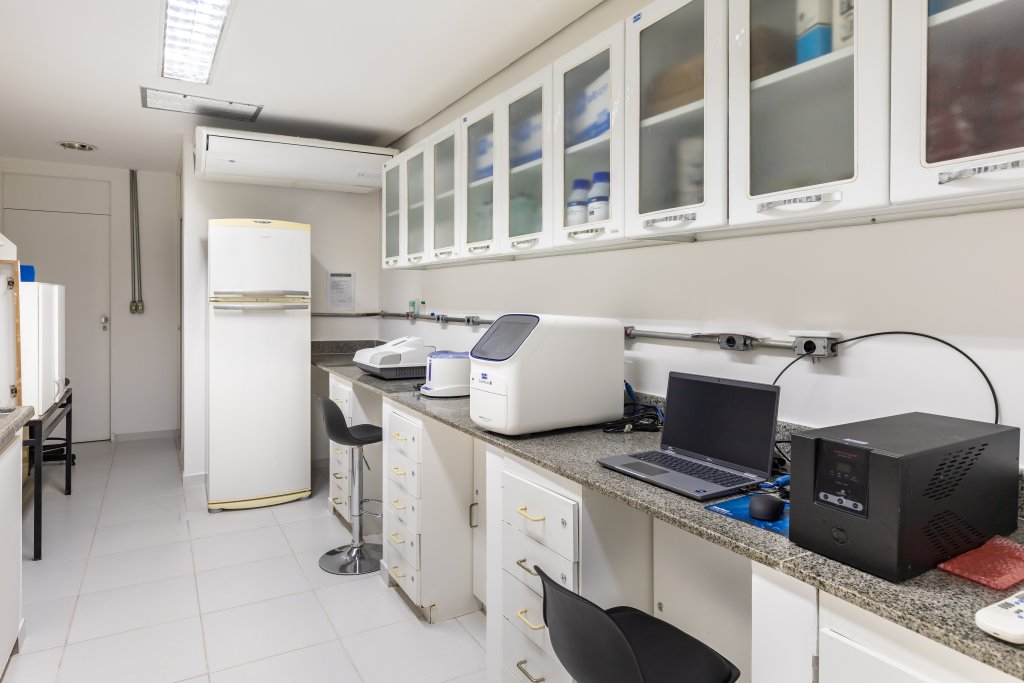
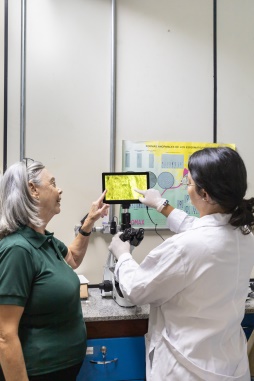
Within the scope of the Postgraduate Program in Veterinary Medicine (PGMV/UENF), laboratories play a fundamental role in the training of professionals, offering courses that integrate theory, practice, and scientific research. Research projects are developed in collaboration with the laboratories linked to the Program. The Program’s capacity to conduct high-quality research is directly related to the structure of the various sectors that comprise its laboratories: the Animal Health Laboratory (LSA), the Animal Reproduction and Genetic Improvement Laboratory (LRMGA), the Animal Morphology and Pathology Laboratory (LMPA), and the Animal Clinic and Surgery Laboratory (LCCA). In addition, they have access to the complete infrastructure of the Veterinary Hospital (HV-UENF). Each laboratory contributes specifically to the development of advanced competencies in different areas of Veterinary Medicine.
Laboratory of Clinical and Surgical Animals (LCCA)
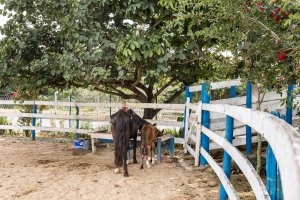
The Laboratory of Clinical and Surgical Animal Science (LCCA) encompasses disciplines focused on diagnostic, therapeutic, and surgical procedures in different species. Among the topics covered are orthopedic, thoracic, and equine surgery; anesthesia and analgesia in critically ill patients; video surgery; canine and feline dentistry; and small animal therapeutics. The emphasis is on continuous scientific updating and the improvement of innovative techniques, always with attention to animal welfare and excellence in clinical practice.
LCCA Sectors
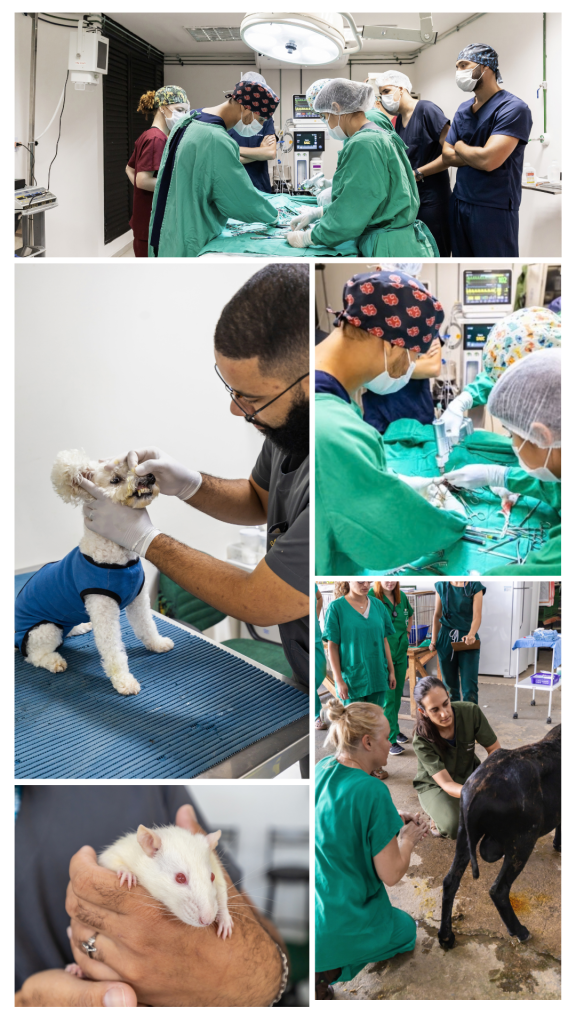
The Small and Large Animal Surgical and Anesthesiology Sector conducts outreach activities and clinical-surgical care, in addition to developing multidisciplinary research aimed at improving video surgery and microsurgery techniques for organ transplantation, using experimental models such as rabbits and rats.
The Small and Large Animal Clinical Medicine Sector offers outpatient clinical care to small and large animals, receiving external demands that also contribute to scientific research and epidemiological surveys. The data obtained are used in the preparation of dissertations, theses, and scientific articles.
The Veterinary Clinical Pathology Sector performs laboratory tests, such as blood counts, serum biochemistry, analysis of cavity fluids and cerebrospinal fluid, urinalysis, hemoparasitosis research, and rapid tests. The tests meet the demands of the clinical and surgical sectors of small, large, and wild animals at the HV-UENF, in addition to supporting research, postgraduate, and outreach activities.
Laboratory of Animal Morphology and Pathology (LMPA)
The Laboratory of Animal Morphology and Pathology (LMPA) offers courses that address the morphofunctional and pathological understanding of animals, such as histotechnology, anatomy, lesion mechanisms, and psychopharmacology of behavioral disorders. Training in this area enables students to correlate structural aspects and biological functions with pathological processes, which are fundamental for accurate diagnoses and more effective clinical practices.
LMPA Sectors
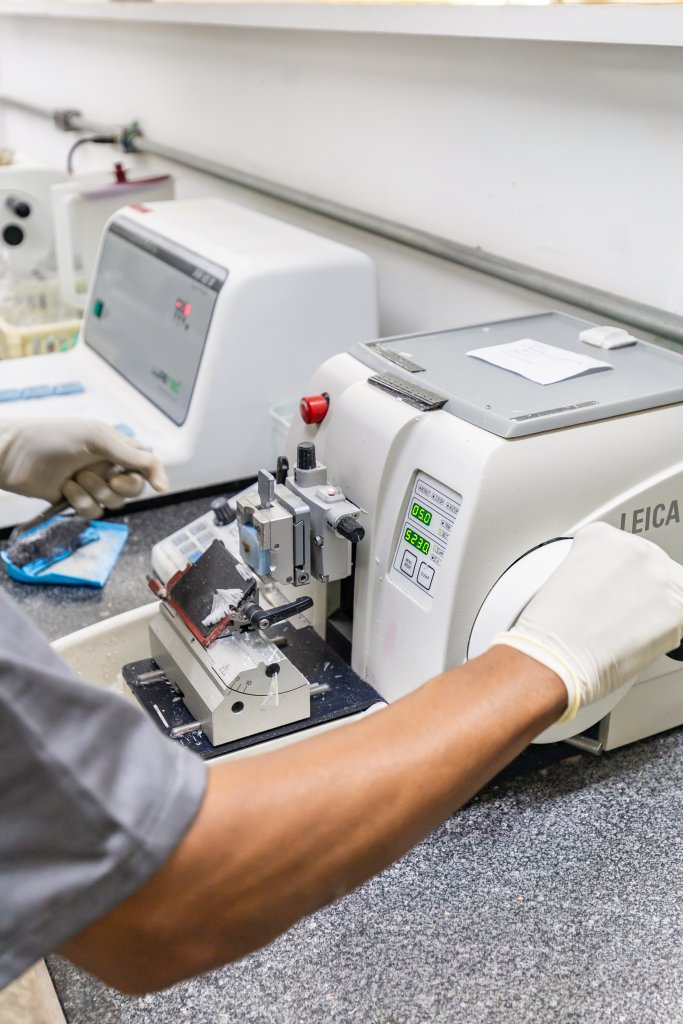
The Animal Pathology Sector serves the Polyclinic of the Veterinary Hospital (HV-UENF), private veterinary clinics in Campos dos Goytacazes/RJ, and occasionally slaughterhouses as required by official inspection, performing routine necroscopic, cytopathological, and histopathological diagnoses. It also supports research projects in partnership with institutions such as the Center for Biosciences and Biotechnology (CBB), the Laboratory of Animal Science (LZO), and the Oswaldo Cruz Foundation (Fiocruz). Furthermore, it works on the histopathological diagnosis of marine animals, including mammals, turtles, and birds that have been injured or stranded, contributing to the development of research in the area of Marine Animal Pathology.
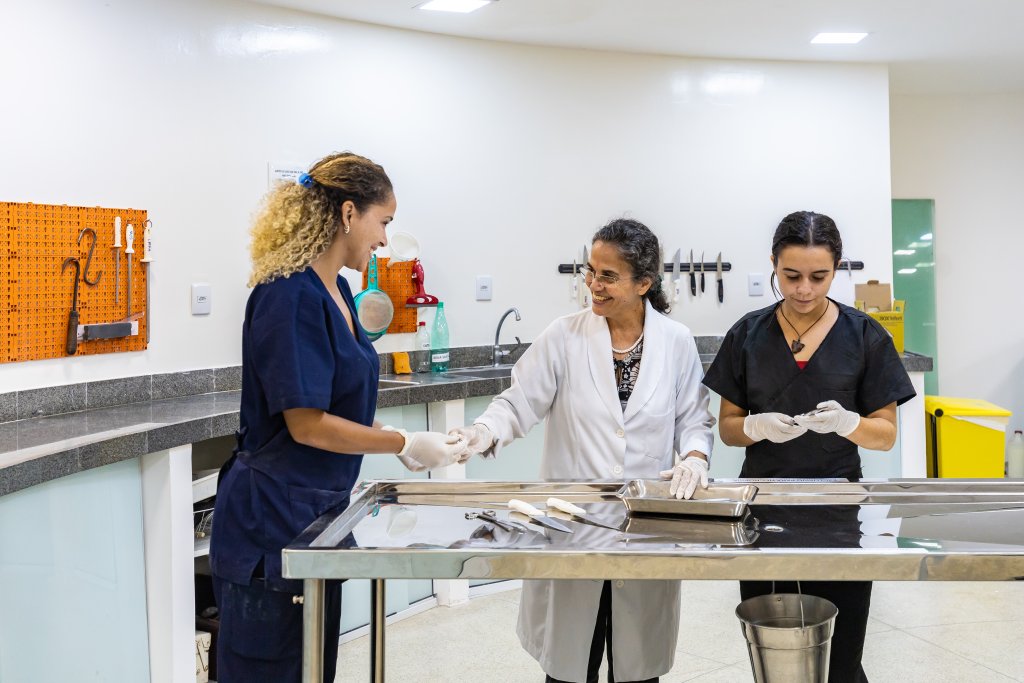
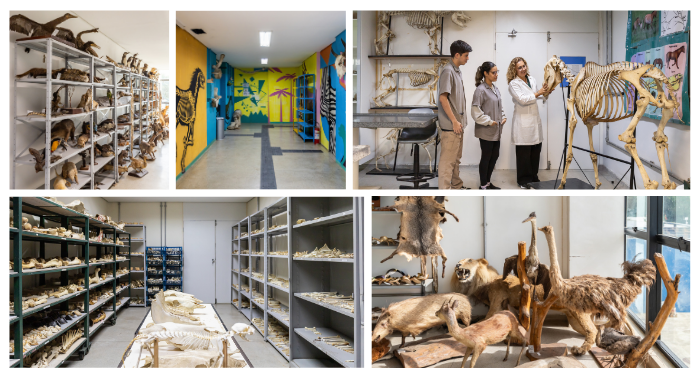
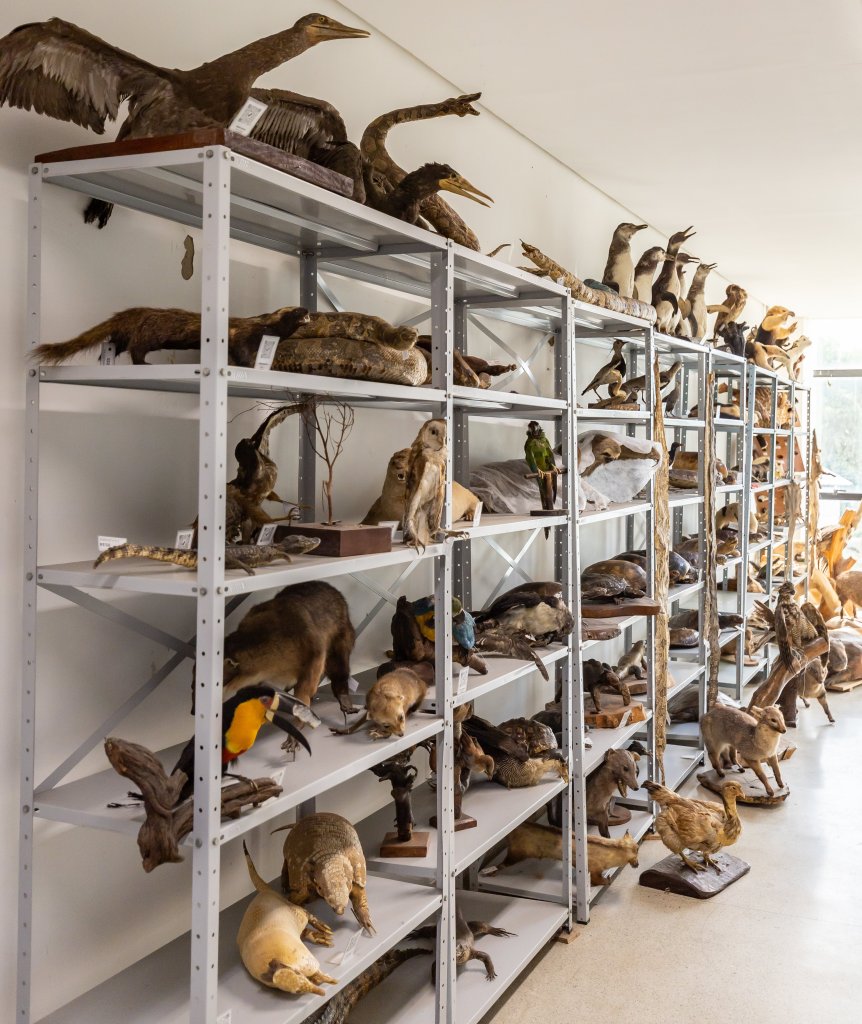
The Domestic Animal Anatomy Sector has rooms dedicated to practical and theoretical activities, sample processing, specimen preparation, taxidermy, maceration, ossuary, and storage.
The sector develops teaching, research, and outreach activities, and has equipment such as freezers, refrigerators, band saws, and microscopes. Research encompasses biometric and anatomical studies, specimen preparation using dermestids, gland and tooth analysis, and microbiological investigations.
The Pharmacology Sector develops studies on learning and memory processes, focusing on neuropsychiatric pathologies. The sector is divided into three sections: animal experimentation, laboratory, and washing.
The experimentation area has spaces for behavioral studies and analysis systems, such as EthoVision and Hikvision®. The laboratory has facilities for preparing solutions and performing analyses, while the washing section is dedicated to cleaning and drying cages and materials used in experiments.
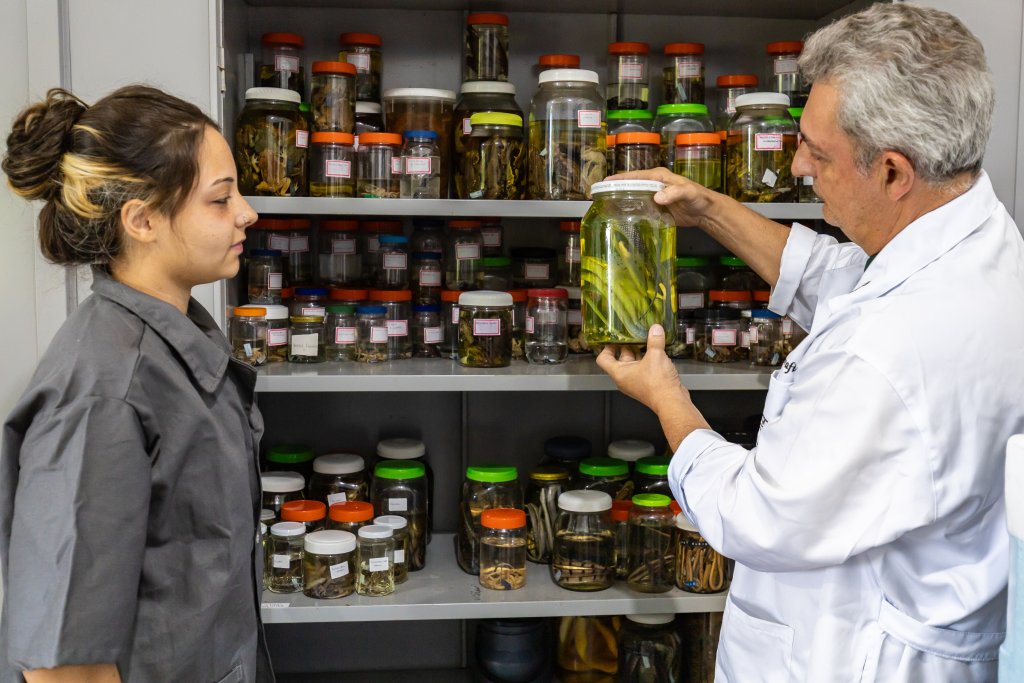
The Center for Studies and Research on Wild Animals (NEPAS) houses the Herpetological Collection of Northern Rio de Janeiro State (CHNF). It provides consulting services and develops projects in partnership with private companies and public agencies, focusing on One Health, veterinary medical education, and environmental issues.
The center also offers theoretical and practical training and continuing education courses, covering areas such as histotechnics, necropsy of domestic and wild animals, and sample collection for analysis.
Laboratory of Animal Reproduction and Improvement (LRMGA)
The Laboratory of Animal Reproduction and Improvement (LRMGA) integrates disciplines that combine applied statistics, reproductive physiology, ultrasonography in ruminants, experimental embryology, semen technology, and genomic analysis. It also encompasses advanced methods of genetic improvement and studies on animal welfare. This area strengthens the training of researchers focused on biotechnology, assisted reproduction, and innovation in animal productivity.
LRMGA Sectors

The Large Animal Reproduction and Obstetrics Sector provides reproductive and obstetric care for horses, cattle, and small ruminants, both at the UENF Veterinary Hospital and in the field. With the participation of residents, scholarship holders, and postgraduate students, it offers services such as gynecological and andrological examinations, pregnancy diagnosis, artificial insemination, embryo transfer, and obstetric procedures and reproductive surgeries.
The Animal Behavior and Welfare Sector develops research focused on evaluating animal behavior and welfare, including hormonal analyses, as well as outreach projects aimed at raising awareness about the importance of animal welfare.
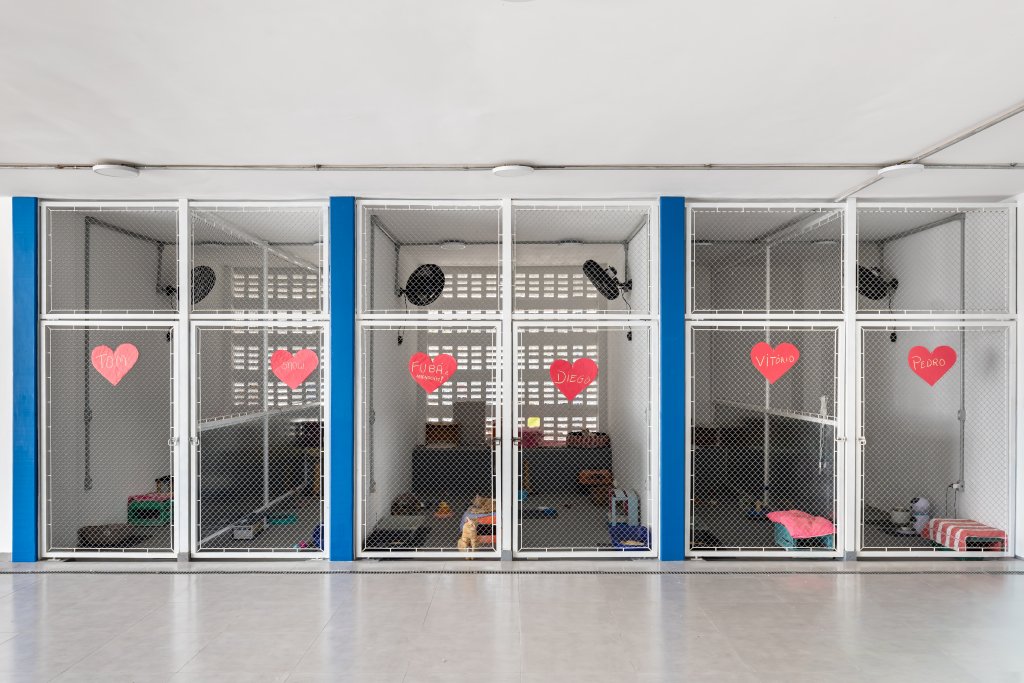
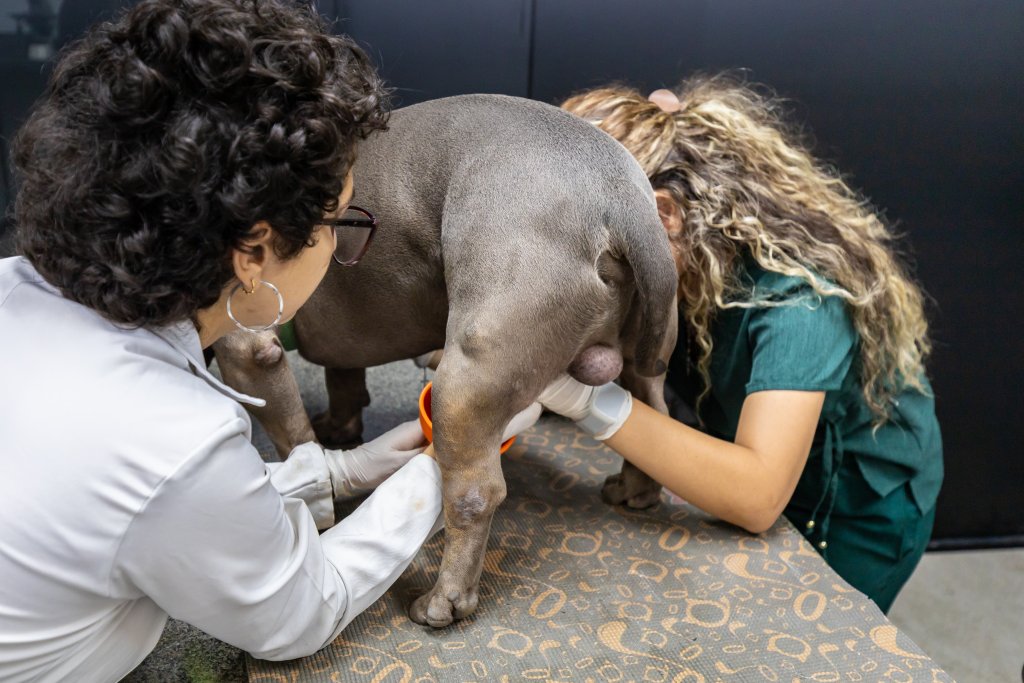
The Companion Animal Reproduction, Obstetrics, and Ultrasound Sector works to improve reproductive clinical services for dogs and cats, contributing to the training of veterinarians and the collection of epidemiological data on reproductive diseases. The sector also offers clinical and obstetric care to the public at the Veterinary Hospital (HV-UENF).
The Animal Genetic Improvement Sector serves students from different areas of animal science, focusing on genetics and improvement of sheep, buffaloes, cattle and horses. It works on estimating genetic parameters and conserving genetic resources.
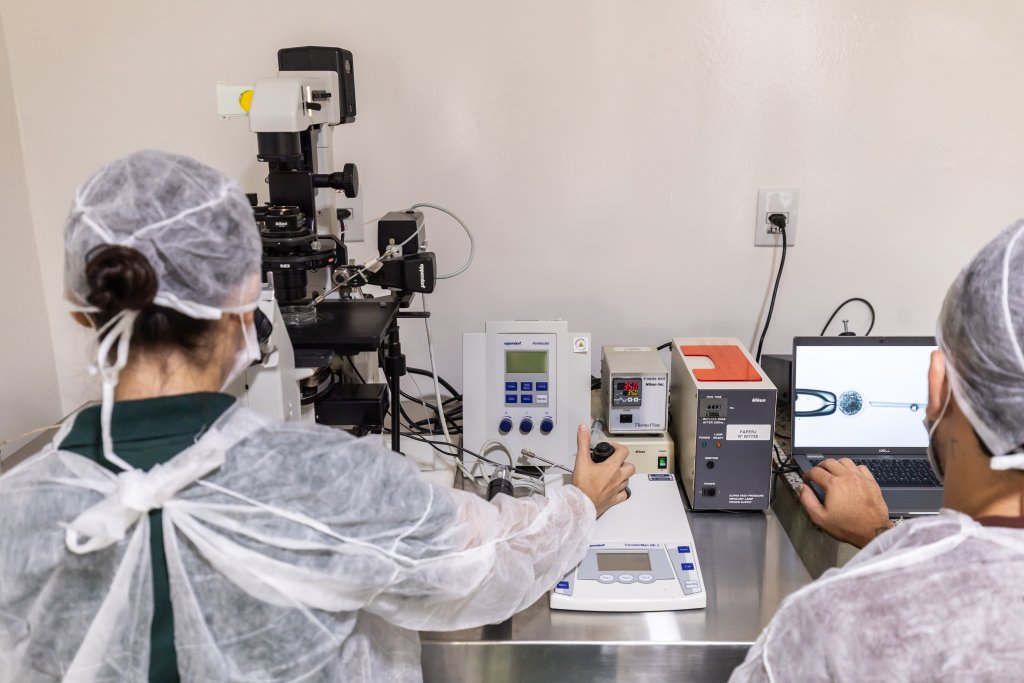
The Embryo Technology Sector and the Animal Cloning and Transgenesis Research Support Unit, located within the Research Support Unit (UAP-Animal), possess the infrastructure for in vitro production of bovine embryos and cell culture. The structure encompasses molecular biology and cell culture areas, distributed across five hectares, and holds a Biosafety Quality Certificate for the handling of Genetically Modified Organisms (GMOs).
Animal Health Laboratory (LSA)
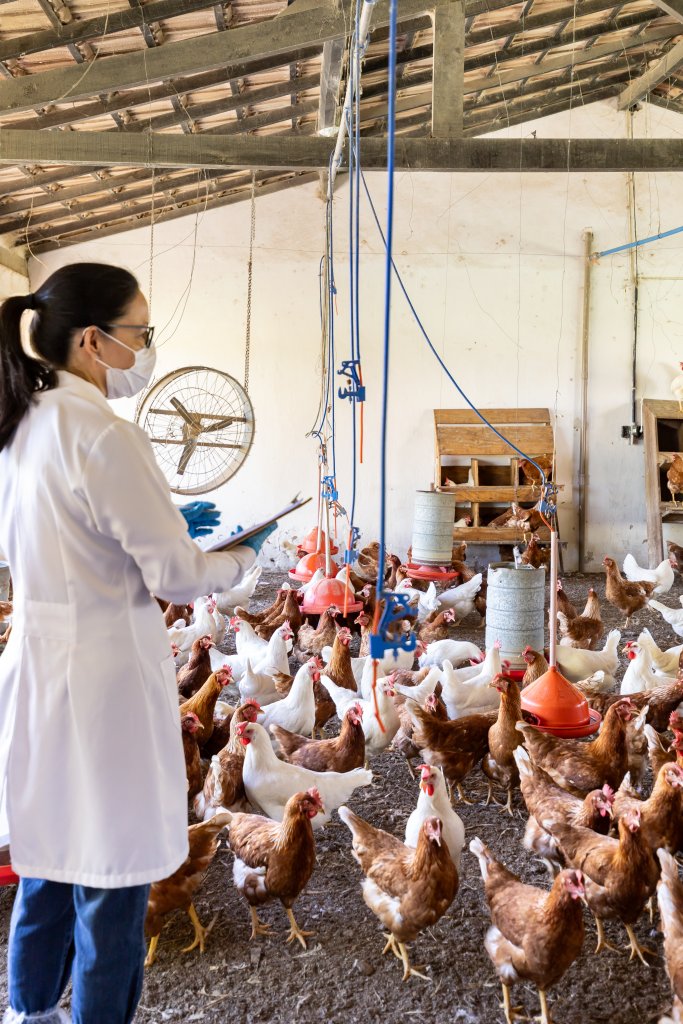
Dedicated to the prevention, control, and diagnosis of animal diseases, the Animal Health Laboratory (LSA) includes disciplines in mycology, avian viral diseases, protozoa of relevance in One Health, and nematode control in ruminants. The concept of “One Health” is widely valued, integrating animal, human, and environmental health, and preparing professionals to face current epidemiological challenges.
LSA Sectors
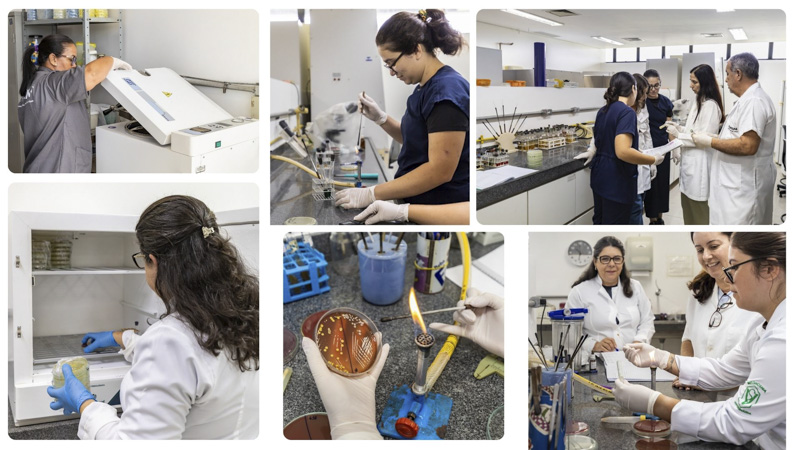
The Bacteriology and Mycology Sector is made up of three specialized rooms with modern infrastructure and high-tech equipment, including centrifuges, freezers, biological safety cabinets, microscopes, thermal cyclers, photodocumenters and autoclaves, providing adequate support for research, diagnosis and teaching activities.
The Parasitology and Parasitic Diseases Sector provides support to the Veterinary Hospital (HV-UENF) in routine parasitological diagnosis and is part of the Center for Advanced Research in Parasitology. The sector has specialized equipment, such as photodocumentation systems, thermocyclers, spectrophotometers, and optical and inverted microscopes, ensuring precision and efficiency in diagnostic and research activities.
Animal Science Laboratory (LZO)
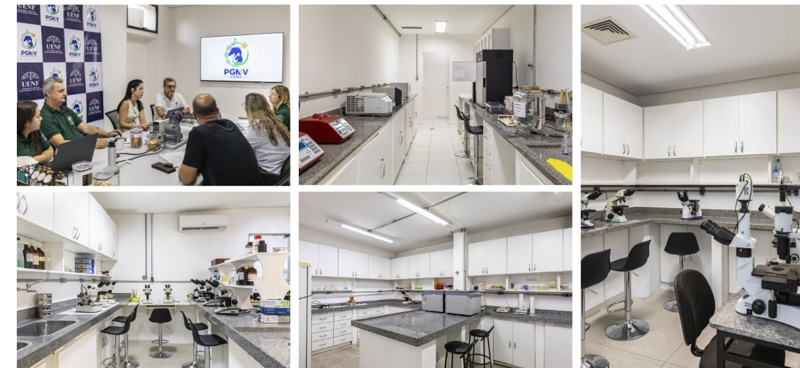
The Animal Science Laboratory (LZO) offers courses that combine scientific knowledge with applied practice in animal production and nutrition, focusing on poultry, cattle, sheep, and other species of zootechnical interest. Its activities encompass nutrition, animal welfare, sustainability, metabolic diseases, and the quality of animal products, contributing to the training of qualified professionals aligned with the demands of contemporary animal production, focused on animal production and nutrition, always seeking technological innovation and current demands for the agricultural sector.
LZO Sectors